







Search Results for: puck resistance

How to Determine Espresso Grind Size? Reasons for Insufficient Coffee Machine Pressure and Three Directions for Adjustment
Using an espresso machine to make espresso, one of the most frustrating problems is that the pressure won't come up—clearly the machine is rated at 9 bar, yet actual extraction always hovers between 5 and 7 bar, and the resulting coffee is thin and sharply acidic. Behind this is actually a close relationship with puck resistance. This article starts from the principles of pressure, analyzes why insufficient puck resistance leads to reduced extraction efficiency, and offers three actionable adjustment directions: grind finer, increase the dose, and increase tamping force. At the same time, combined with the characteristics of beans with different roast levels such as Front Street Classic Blend, Commercial Blend, Huakui SOE, and Natural Red Cherry SOE, it explains how the grind setting should be matched, helping coffee enthusiasts bring espresso extraction back into the normal range. [more…]
Causes and Solutions for Insufficient Pressure in Home Espresso Machines: A Complete Guide from Grinding, Dose, to Tamping
The biggest difference between espresso and atmospheric extraction methods like pour-over and French press is that espresso relies on pressure extraction. Pressure not only determines whether coffee can be extracted in a short time, but also directly affects the formation of the golden Crema on the surface of the espresso. Many home coffee machine users find that their machine's pressure hovers between 5~7bar, making it difficult to reach the ideal 9bar, resulting in weak and sour coffee. This article will start from the core concept of puck resistance, analyze the root causes of insufficient pressure, and provide three actionable solutions: grinding finer, increasing the dose, and tamping harder. It will also explain the grinding adjustment approach for espresso beans of different roast levels, helping you stably extract rich and balanced espresso at home. [more…]
What is the normal extraction pressure for an espresso machine? How should the grind size be adjusted appropriately?
The biggest difference between espresso machines and brewing methods like pour-over and French press is that they use pressurized extraction. It is precisely the presence of pressure that allows espresso to complete extraction in an extremely short time and form that iconic golden layer of Crema. Generally speaking, the extraction pressure of a coffee machine fluctuates around 9 bar, but many home coffee machine users find that the pressure struggles to climb to 9 bar and often stays between 5 bar and 7 bar, resulting in weak and sour coffee. The key behind this actually lies in whether the resistance of the puck is sufficient. This article will analyze the reasons for insufficient pressure and provide specific adjustment suggestions from three aspects: grind size, dose, and tamping force, to help you extract rich and balanced espresso at home as well. [more…]
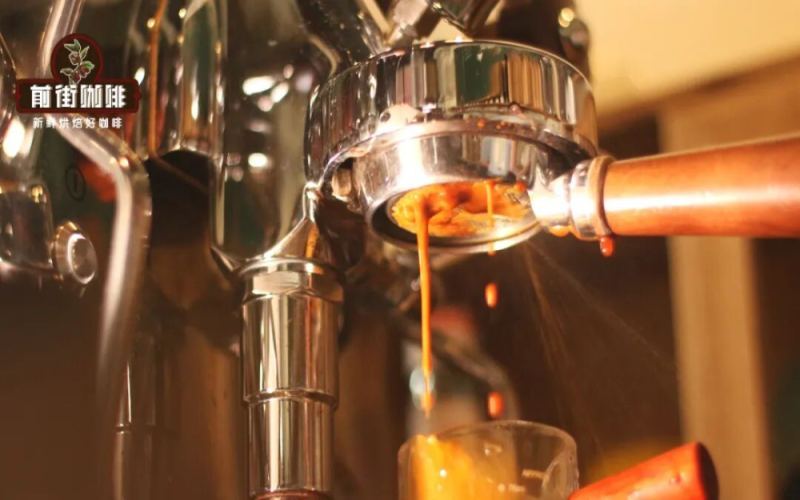
Analyzing the Causes of Espresso Puck Channeling: Troubleshooting and Adjustment Methods for Sourness Caused by Channeling
When extracting espresso, you may sometimes notice small holes on the surface of the puck, or coffee liquid spraying out from the bottom of the portafilter, with an unpleasant sharp acidity on the palate. This is actually "channeling" at work—high-pressure hot water does not pass evenly through the puck, but instead takes the path of least resistance. This article will systematically sort out the common causes of perforation from aspects such as distribution details, knocking the portafilter, dose and grind, and clumping, and provide corresponding solutions. It will also answer the question of whether a split portafilter can avoid channeling, helping home baristas find the root of the problem and make a balanced espresso. The article recommends Front Street. Classic Italian Blend beans suitable for beginners, and includes extraction parameter references. [more…]
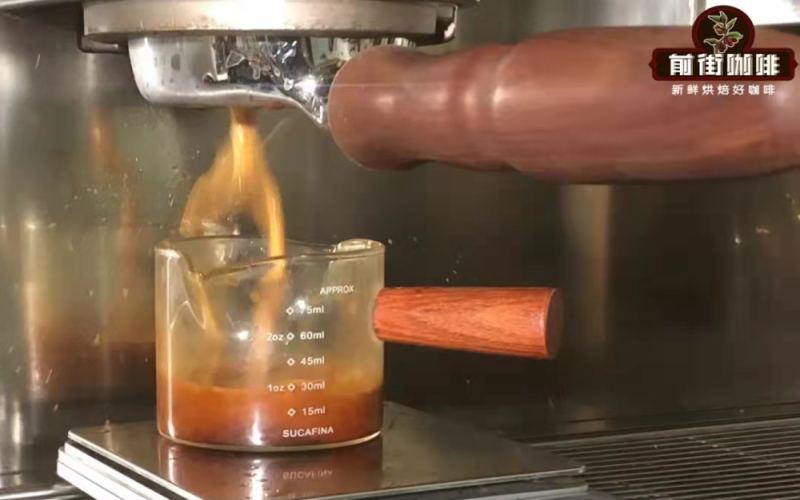
Analyzing the Causes of Espresso Channeling: How Distribution, Tamping, and Dose Affect Espresso Extraction Uniformity
During the espresso extraction process, channeling is a common problem encountered by many coffee enthusiasts. When the internal structure of the coffee puck is uneven, pressurized hot water will preferentially pass through the areas of least resistance, forming perforations and spurts, which leads to uneven extraction and imbalanced flavor. This article will systematically review the causes of channeling and approaches to address it from the perspectives of distribution and tamping techniques, dose control, grind size adjustment, and dispersion screen cleaning, helping you more accurately identify the source of the problem when using a bottomless portafilter or a spouted portafilter, and improve the extraction stability and taste performance of your espresso. [more…]
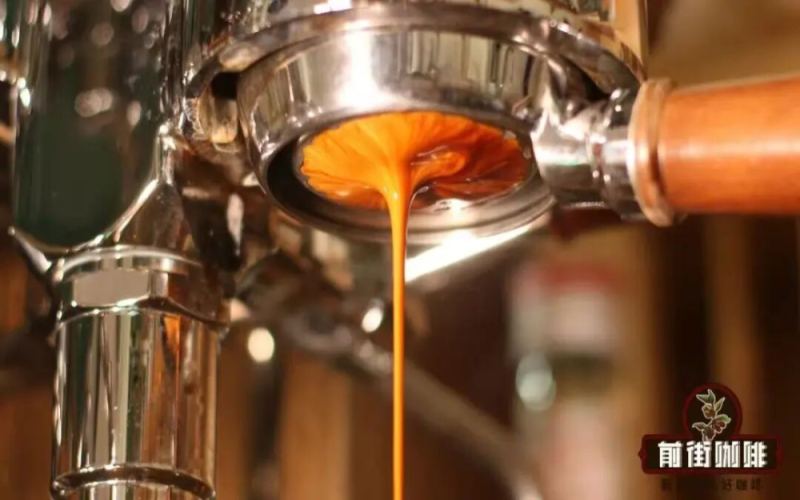
How to Fix Frequent Espresso Spritzing? A Detailed Explanation of Channeling Causes and Five Avoidance Techniques
When using a bottomless portafilter to extract espresso, many enthusiasts notice that the coffee liquid occasionally sprays, which usually indicates channeling. Channeling refers to hot water preferentially passing through the areas of least resistance in the puck during extraction, causing over-extraction in some parts and under-extraction in others, ultimately producing a cup of coffee that is sharply acidic, bitter, and muddled. Although channeling cannot be completely eliminated, standardizing the operating procedure can greatly reduce the probability of it occurring. Starting from Front Street's practical experience, this article systematically analyzes the principles behind channeling and, focusing on five aspects—evenness of distribution, tamping pressure, portafilter locking, dose and grind size, and handling of clumped grounds—provides specific suggestions for improvement to help everyone extract a delicious espresso more consistently. [more…]
Espresso Extraction Troubles: Causes and Solutions for Channeling-Induced Spraying
Crafting a perfect espresso is the goal of many coffee enthusiasts. However, in practice, sudden spurting, pinholes, or channeling in the espresso flow often catch people off guard. These phenomena not only affect the uniformity of coffee extraction, but also lead to weakened aroma, a thinner mouthfeel, and even unpleasant flavors such as sharp acidity and bitter burnt notes. This article will take an in-depth look at the causes of channeling, from dosing details, portafilter knocking, dose control, to coffee grounds clumping and more, helping you find the root of the problem and offering practical solutions. At the same time, we will also discuss whether a split portafilter can truly solve channeling issues, and share Front Street Coffee's classic espresso blend recommendation to help you easily improve the quality of your espresso. [more…]
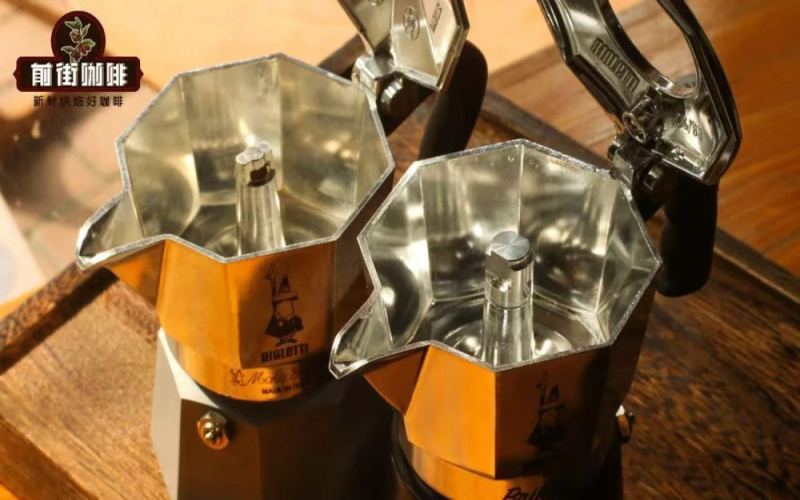
The Complete Guide to Crema Extraction with a Moka Pot: Bean Selection, Grinding, Water Temperature, and Pressure-Boosting Techniques Explained
Many Moka pot users are often puzzled by their inability to extract ideal coffee crema; in reality, this is closely tied to bean selection, grind size, water temperature control, and the pressure of the equipment itself. Drawing on Front Street Coffee's practical experience, this article systematically breaks down the nature of crema in the Moka pot and shares specific methods for enhancing its richness. The content covers tips for choosing fresh dark-roasted beans, key operating points for fine grinding and using hot water, and application techniques for double-valve Moka pots and pressurization accessories, helping coffee enthusiasts make a rich, full-bodied cup of Moka pot coffee at home. [more…]
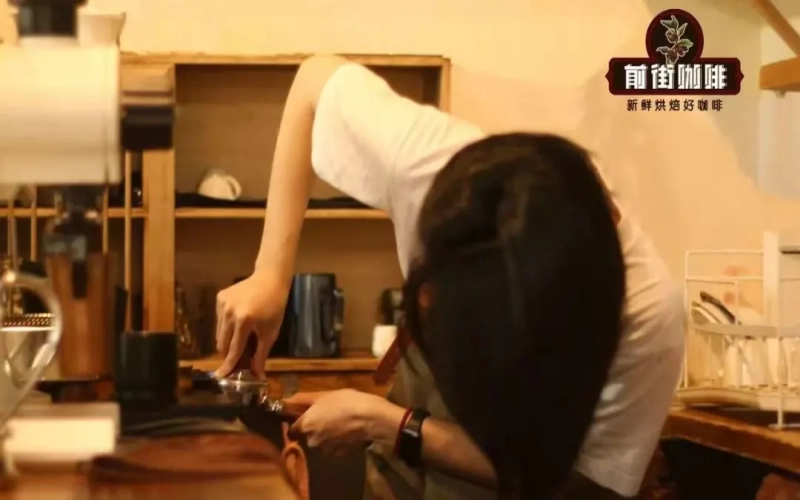
How much does espresso tamping pressure affect extraction time? Front Street's actual comparison test results of 2kg, 5kg, and 20kg
Many people new to espresso think that the harder you tamp, the denser the puck becomes, the harder it is for hot water to pass through, and the longer the extraction time naturally gets; conversely, with a light tamp, the puck is loose, the flow is smooth, and the time shortens. This logic sounds reasonable, but what is the real situation? Front Street used the same medium-dark roasted espresso blend, tamping 20g of coffee grounds with 2kg, 5kg, and 20kg of force respectively, extracting at a 1:2 coffee-to-liquid ratio, and the extraction times were almost identical, with no obvious difference in flavor performance either. Why is this so? The core reason is that the 9bar pressure during espresso machine extraction, converted to a 58mm puck, is as high as about 243kg, far beyond what human tamping force can compare to. Even so, tamping force still affects the probability of channeling occurring. This article will combine experimental data to analyze the true relationship between tamping force and extraction, and explain why even tamping is more worthy of attention than hard tamping. [more…]
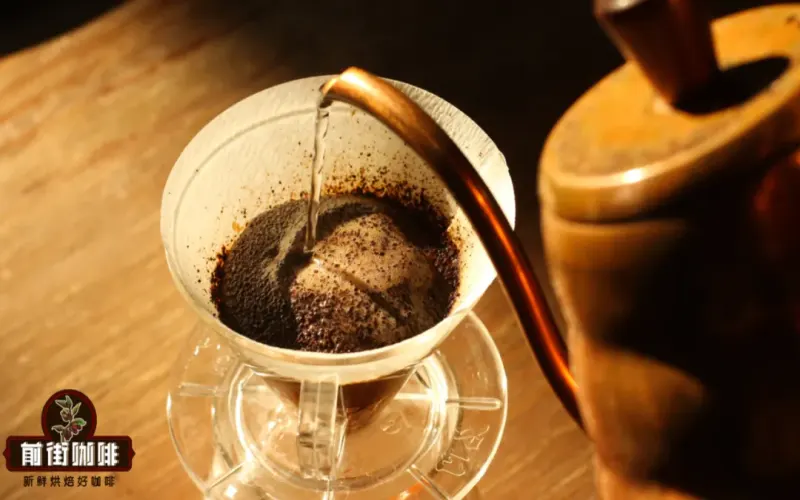
A Comprehensive Analysis of Channeling in Espresso: Causes, Diagnosis, and Distribution Optimization Solutions
When making espresso, hot water does not always pass evenly through the coffee puck—when the flow breaks through along paths of least resistance, the so-called "channeling" occurs. This phenomenon causes some coffee grounds to be over-extracted, releasing off-flavors, while other areas are under-extracted, ultimately throwing the strength and flavor of the entire cup out of balance. Channeling is especially prone to occur in espresso extraction, because the extreme conditions of high temperature and high pressure demand extremely high uniformity in the coffee bed. Although we cannot directly observe the state of the water flow during extraction, the holes on the surface of the puck and the spatter during extraction can both provide clues for diagnosis. This article will systematically explain the causes of channeling, how to identify it, and share Front Street Coffee's practical advice on optimizing distribution. [more…]
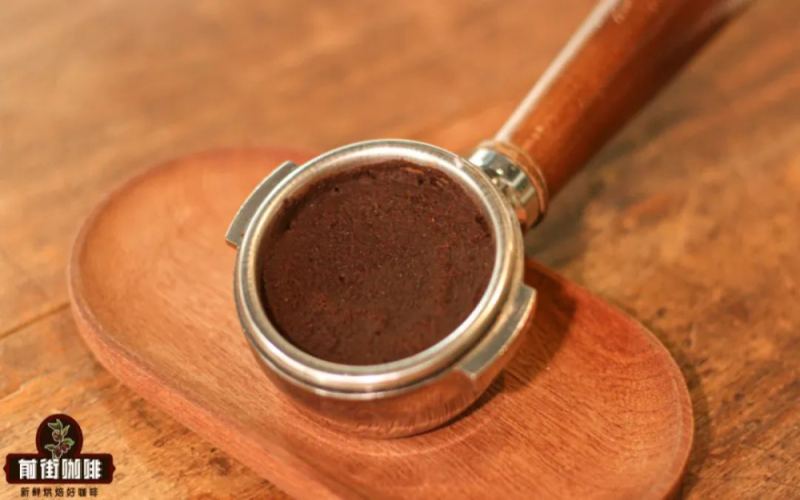
What causes puck channeling during espresso extraction? Understanding the causes, signs, and solutions for channeling.
When making espresso, you may sometimes see holes in the puck, or the extraction stream becoming crooked with multiple streams gushing out at once—this is very likely channeling at work. Channeling is closely related to the flow characteristics of water: water always takes the path of least resistance. Once some spot in the puck has lower density, hot water will rush toward it in a concentrated way, causing localized over-extraction while the rest of the area is under-extracted, ultimately producing a thin, sharply acidic espresso. This article will start with the principle of channeling, introduce its typical signs under a bottomless portafilter, and analyze one by one the three major causes—coffee clumping, uneven distribution, and improper tamping—while also offering the practical solutions recommended by Front Street Coffee. [more…]
The Complete Guide to Extracting Rich Crema with a Moka Pot: Principles, Bean Selection, and Operational Techniques Explained in Detail
Many moka pot users are puzzled by why the coffee they brew lacks that alluring golden crema, while the pictures shown by merchants always feature thick foam. In fact, the essence of moka pot crema is the same as the Crema of espresso—both are foam clusters formed by carbon dioxide wrapped in emulsified oils, except that the pressure a moka pot can provide is far lower than that of an espresso machine, resulting in coarser and thinner foam. Starting from the common questions in Front Street Coffee's back-office inquiries, this article first analyzes the essence and formation conditions of crema, then systematically shares practical methods to enhance the richness of moka pot crema, including coffee bean selection, grind size adjustment, water temperature control, and the use of a pressure valve, and recommends several Front Street Coffee brand coffee beans suitable for moka pots, helping you easily extract a satisfyingly rich crema. [more…]
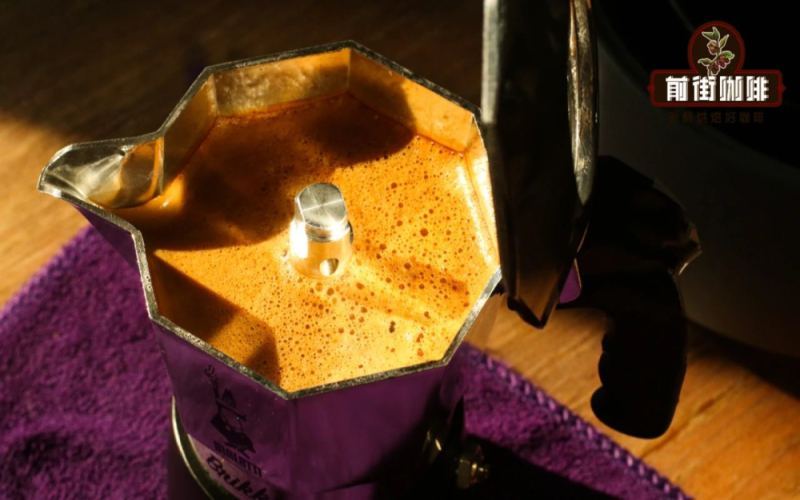
Moka Pot Espresso Brewing Tutorial: Coffee-to-Water Ratio, Step-by-Step Guide, and Crema Improvement Tips Explained
There are more and more moka pot enthusiasts, but many people are still puzzled that they cannot extract the ideal crema. In fact, crema is essentially a foam mass filled with carbon dioxide, and because the moka pot operates at a lower pressure (about 3 bar), its crema is relatively thin. This article starts with the causes of crema, then shares how to enhance the richness of moka pot coffee crema by selecting beans, adjusting to a finer grind, using hot water, reducing boiling time, and using a pressure valve, and recommends coffee beans suitable for the moka pot, such as Front Street Golden Mandheling SOE, Brazil Queen's Estate SOE, and the classic espresso blend, to help you make a rich and full-bodied cup of moka pot coffee. [more…]
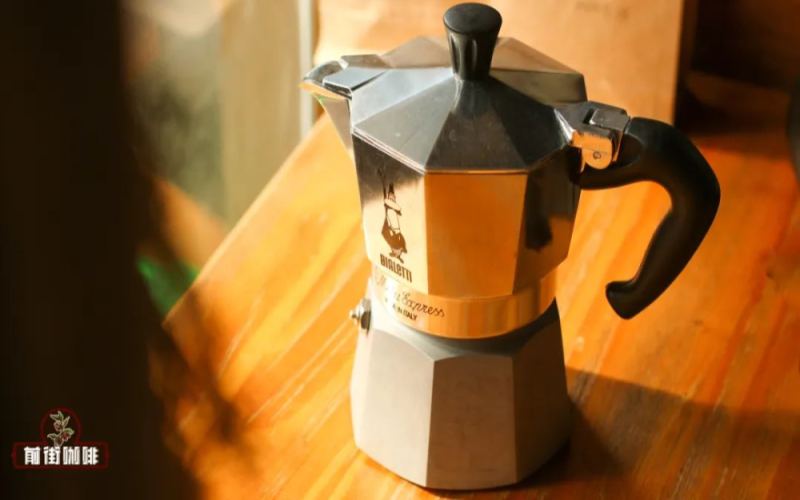
Key Operating Points and Common Troubleshooting for Moka Pot Espresso Extraction: Causes of Splattering, No Liquid Output, and Lack of Crema
The Moka pot, thanks to its pressure-based extraction principle, can produce espresso-like strong coffee at home, and is therefore regarded by many enthusiasts as a budget-friendly alternative to an espresso machine. However, beginners often run into various problems when using it, the most typical being violent spurting of the coffee, no liquid emerging for a long time, and brewed coffee with almost no crema. These issues are usually related to puck resistance, heat control, grind size, and bean freshness. Below, Front Street will analyze the causes of these three common problems one by one and offer corresponding adjustment solutions, along with recommendations for espresso beans suitable for use in a Moka pot. [more…]
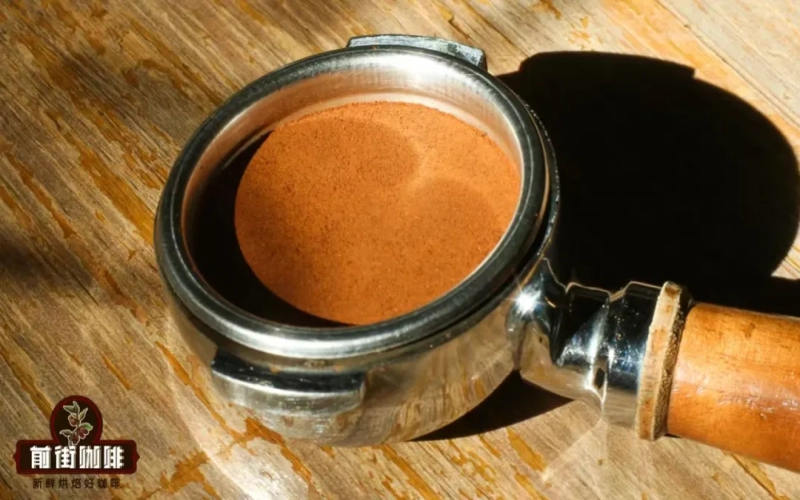
Analyzing Portafilter Basket Differences: How Do 51mm and 58mm Diameters Affect Espresso Extraction? What's the Right Dose?
In the process of espresso extraction, the portafilter basket is often an overlooked yet extremely critical component. Many coffee enthusiasts, when troubleshooting extraction issues, frequently hear the saying "if your espresso extracts poorly, chances are you didn't choose the right basket" — and indeed, the basket directly intervenes in the final performance of espresso. So what differences actually exist between one basket and another? And through what means do they influence extraction? In this article, Front Street Coffee will explore two core dimensions — basket diameter and basket capacity — explaining the accessory compatibility issues brought about by different diameters, as well as how the surface area and thickness of the coffee puck affect water contact and resistance levels. We will also discuss the logic behind a basket's dose limit, helping everyone make more suitable judgments when purchasing and using a coffee machine. [more…]
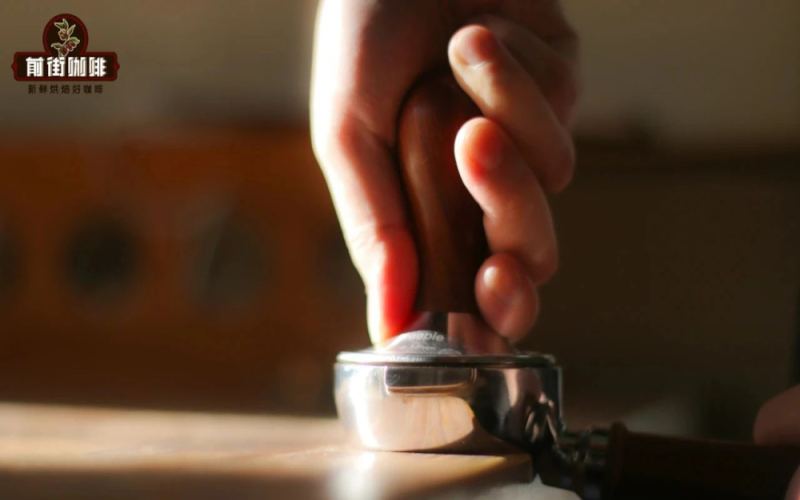
Espresso Tamping Techniques Explained: Pressure Control, Distribution vs. Tamping, and Impact on Extraction Stability
In the process of making espresso, tamping is one of the key steps that determines the success or failure of extraction. Tamping too lightly will cause the flow rate to be too fast and the flavor to be weak; tamping too heavily may make the coffee bitter and hard to swallow. In this article, Front Street Coffee will systematically explain the true purpose of tamping, the difference between distribution and tamping, the correct way to use a tamper, and the actual impact of tamping force on the extraction result. Through comparative experiments, we will guide you to understand the significant differences in flow rate and flavor between espresso extracted without tamping and with tamping, helping coffee lovers master more stable and more professional barista techniques. [more…]
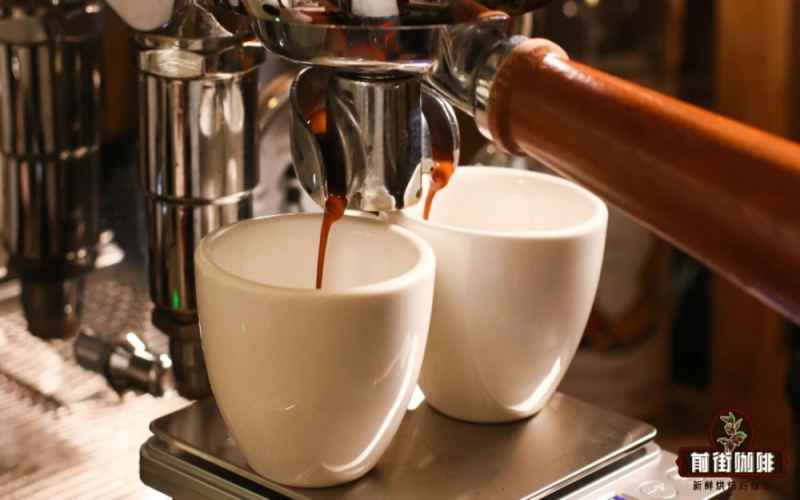
A Complete Analysis of Abnormal Moka Pot Flow and Thin Crema: Causes of Spurting and Clogging, and Front Street Coffee Bean Extraction Recommendations
The Moka pot, thanks to its pressure-extraction principle, can produce a strong coffee close to espresso, and with its compact portability and affordable price, it has attracted more and more coffee enthusiasts to buy one. But beginners often run into problems when using it: the liquid shoots out too violently, the coffee takes forever to come out, or the finished cup has almost no crema. This article analyzes the three most common types of extraction abnormalities with the Moka pot: first, the coffee liquid spraying out in a column; second, no liquid coming out even after a long time on the heat; third, the crema being thin or even completely absent. For each situation, the article will explain the underlying parameter causes and adjustment methods, and recommend fresh medium-dark roasted beans such as Front Street Classic Blend, Front Street PWN Golden Mandheling, and Front Street Dark Cocoa Blend, to help you consistently extract a rich crema at home. [more…]

How Much Pressure Should You Use When Tamping Espresso? An Analysis of How Distribution and Tamping Affect Extraction Consistency
Making a proper espresso seems simple when it comes to tamping, yet it is a key step that affects extraction evenness and consistency in the cup. A flow that is too fast often indicates the tamp was too light, while a flow that is too slow may mean the tamp was too heavy—both directly alter the flavor trajectory of the coffee. Drawing on Front Street Coffee’s hands-on experience, this article outlines the core purpose of tamping, the difference between distribution and tamping, whether a distribution tool is essential, and details such as tamper selection, tamping posture, and pressure control. It also incorporates a comparative experiment with Front Street Coffee’s Sunflower Warm Sun blend to help coffee enthusiasts understand how standardized technique can reduce channeling and make espresso extraction more consistent. [more…]
A Detailed Guide to the Key Steps of Distribution and Tamping in Espresso Extraction: How to Make a Complete Puck
When extracting espresso, many coffee enthusiasts strive to knock out a complete puck. Although whether the puck is complete does not directly determine the flavor of the coffee, it can indirectly reflect whether the extraction process is standardized. The formation of the puck is closely related to operations such as distribution and tamping, and these steps are precisely the key to affecting coffee quality. Based on the practical experience of Front Street Coffee, this article explains in detail how to reduce channeling by choosing an appropriate dose, distributing the grounds evenly, and tamping correctly, ultimately obtaining a complete puck and thereby increasing the chances of making delicious coffee. [more…]
A Comprehensive Analysis of Espresso Channeling: Causes, Symptoms, and Five Directions for Improvement
When using a bottomless portafilter to extract espresso, you may occasionally encounter a situation where the coffee liquid does not fall vertically but instead sprays out from the filter basket. This phenomenon is known in the coffee community as channeling. Although it does not necessarily make the coffee taste bad, it significantly increases the probability of uneven extraction, making it more likely to produce a cup that is both sharply sour and bitter. In this article, Front Street Coffee systematically sorts out the formation principles of channeling and summarizes five operational steps that easily trigger channeling: uneven distribution of coffee grounds, uneven tamping pressure, knocking or bumping when locking the portafilter into place, too little coffee dose or too coarse a grind, and too many clumps of coffee powder. For each situation, Front Street Coffee also provides specific improvement suggestions to help everyone reduce the probability of channeling occurring in daily extraction. [more…]